Immigration Law Blog
Stay up-to-date on the latest immigration law news, with the Cohen, Tucker & Ades team's insights behind the headlines

By Wendy R. Barlow, Esq. | Partner at Cohen, Tucker + Ades Specializing in Complex Immigration Matters
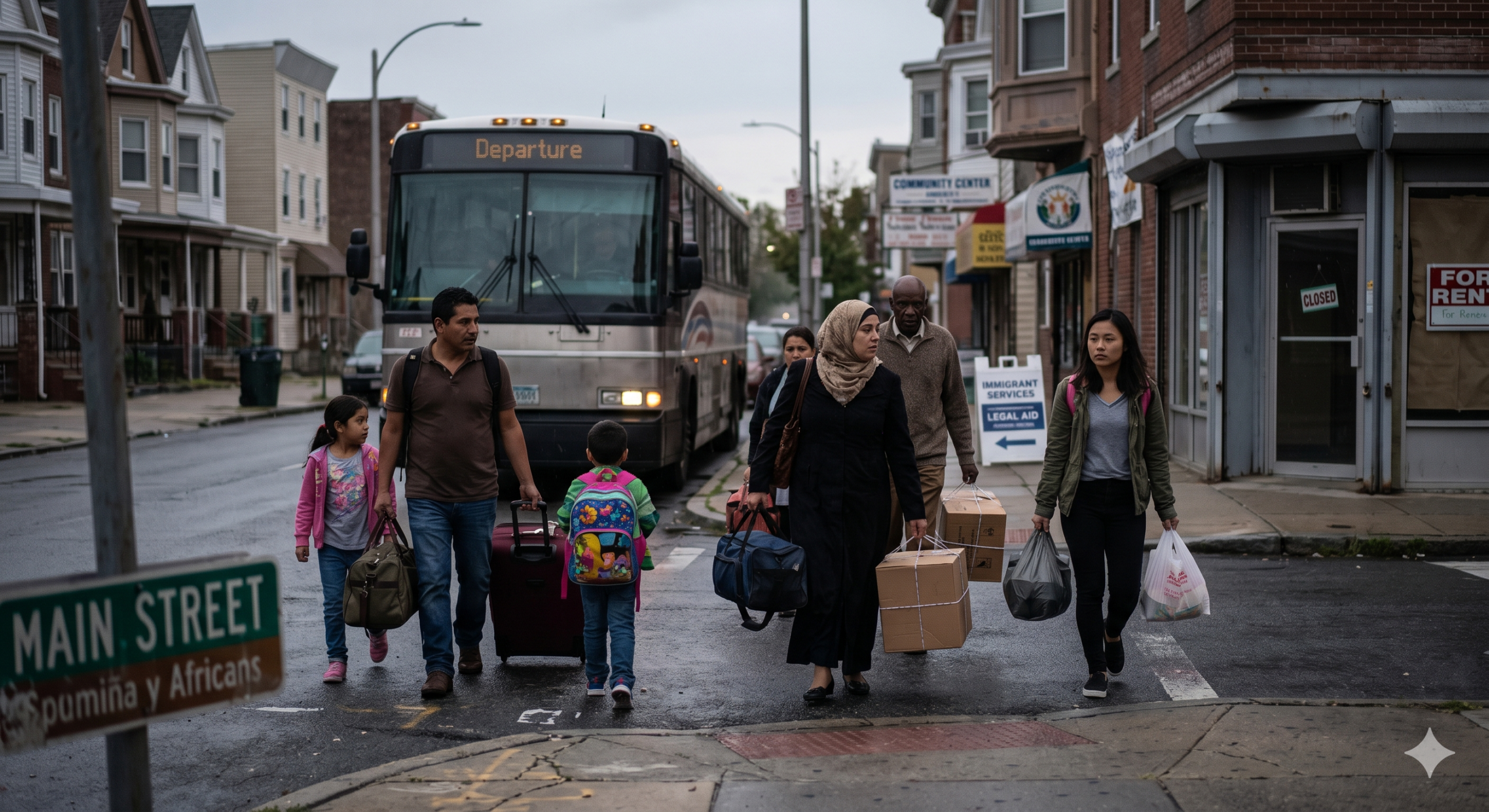
The landscape of U.S. immigration enforcement is shifting. While large-scale, televised raids have dominated headlines in the past, a quieter and potentially more destabilizing strategy is taking hold: self-deportation. At Cohen, Tucker + Ades, we believe it is vital for our clients and the broader community to understand these bureaucratic shifts and how they impact the “fragility of status” for many living in the United States.
Self-deportation is not a new concept, but it is being utilized with renewed intensity. Rather than relying solely on physical removal by agents, the current strategy involves making daily life so difficult and precarious that individuals feel they have no choice but to leave the country voluntarily.
This “attrition through enforcement” seeks to apply pressure at every point of contact between an immigrant and the government.
The administration is currently leveraging the vast federal and state bureaucracy to curtail access to essential services and legal rights:
Housing Restrictions: A proposed HUD rule seeks to block “mixed status” families from subsidized housing, potentially displacing 80,000 people—including 37,000 U.S. citizen children.
Professional Barriers: Approximately 200,000 immigrants, including asylum seekers and DACA recipients, have begun losing commercial driver’s licenses due to new bans.
Financial Hurdles: Noncitizens are now barred from obtaining federal small business loans, even if they are in the country legally.
Increased Fees: “Trump’s Big Beautiful Bill” has significantly raised fees for those seeking humanitarian protection and imposed taxes on remittances.
Financial Incentives: The Department of Homeland Security has increased “exit payments” to $2,600 for immigrants who agree to leave the country.
History shows that while these tactics create immense hardship, they rarely achieve the mass exodus proponents claim they will.
In the 1880s, Chinese immigrants faced discriminatory local laws and racial terror, yet many remained.
During the Great Depression, surprise sweeps were used to terrify Mexican Americans into leaving.
In 2010, Arizona’s “papers please” law led to an estimated 100,000 Hispanic residents leaving the state, though many were legal residents or citizens caught in the net of fear.
The “shadow zone” of self-deportation often ignores the reality that millions of people are deeply embedded in American society. Nearly half of the country’s undocumented immigrants have lived here for over 20 years, and over 30% are homeowners.
However, this climate of fear has real-world consequences for everyone:
Public Health: People may avoid essential medical care or vaccinations out of fear.
Safety: Barriers to licensing lead to more people driving without insurance.
Legal Uncertainty: Even green card holders and those with temporary status are finding their standing is more fragile than previously thought.
In an era where “threats and intimidation operate where the law will not or cannot go,” having experienced legal counsel is more important than ever. We are dedicated to helping our clients navigate these bureaucratic hurdles and protecting their rights against overreach.
If you are concerned about how new federal rules or state policies affect your status, contact us today for a consultation. Don’t let fear dictate your future; let the law protect it.
Wendy R. Barlow, Esq.is a Partner at Cohen, Tucker + Ades, P.C. with nearly 20 years of experience in high-stakes immigration litigation. A graduate of the Maurice A. Deane School of Law at Hofstra University, Wendy is admitted to practice in New York and New Jersey as well as before the U.S. Supreme Court and multiple Federal Circuit Courts. Wendy is recognized for her ability to handle cases that many consider insurmountable.
Disclaimer: This blog post contains general information and is for informational purposes only. It is not legal advice and does not create an attorney-client relationship between you and Cohen, Tucker + Ades P.C. Immigration laws and fee schedules are subject to frequent change. The information provided herein may not reflect the most current legal developments. You should not act or refrain from acting based on information contained in this post without seeking professional counsel from an attorney licensed in your jurisdiction. Cohen, Tucker + Ades P.C. expressly disclaims all liability in respect to actions taken or not taken based on any or all of the contents of this post.
Sources:
Department of Homeland Security, CBP Home Mobile Application, Assistance to Voluntarily Self Deport
U.S. Small Business Administration, SBA Bans Foreign Nationals from Accessing SBA-backed Loans