By Wendy R. Barlow, Esq. | Partner at Cohen, Tucker + Ades Specializing in Complex Immigration Matters
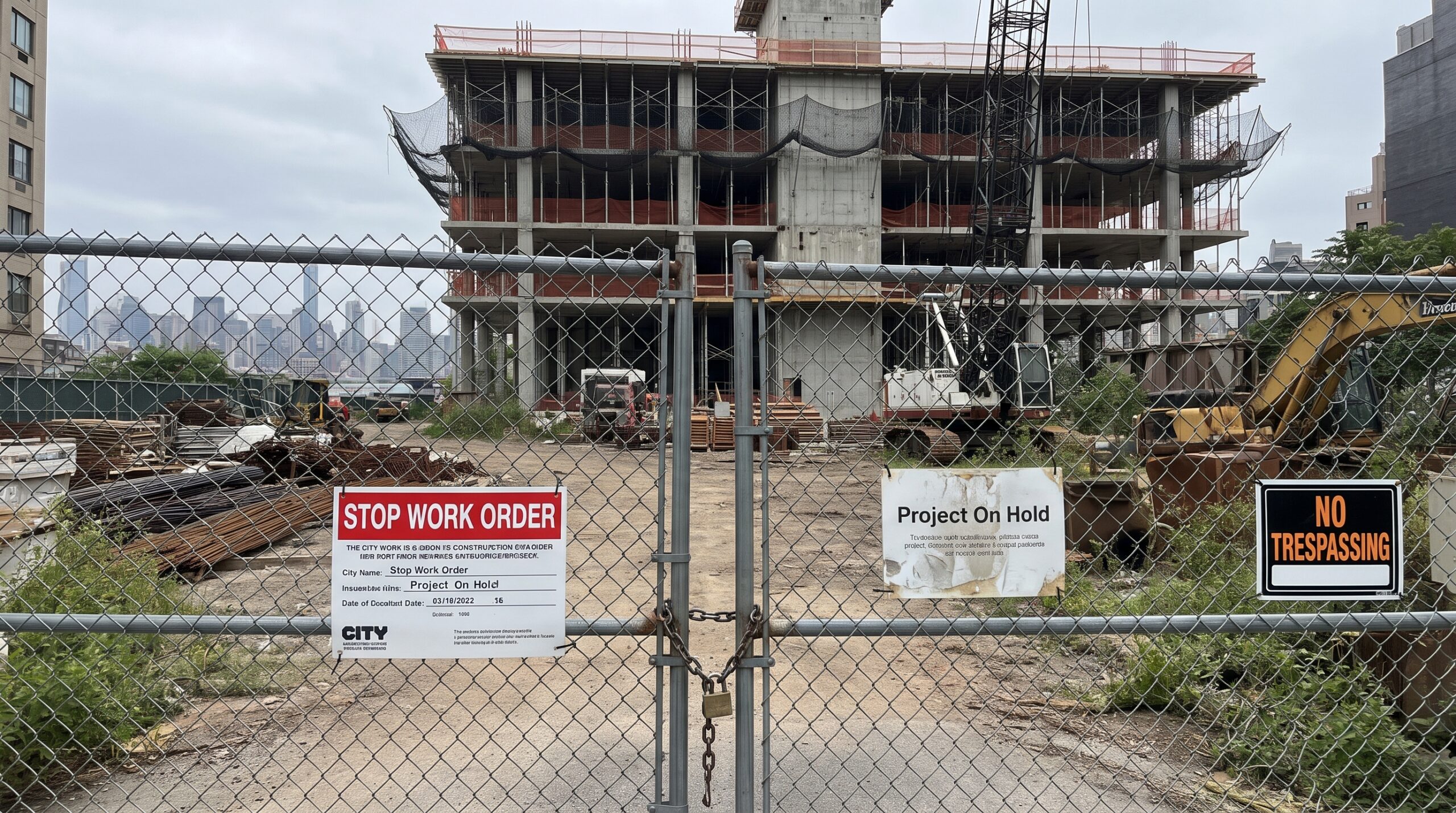
For an EB-5 immigrant investor, receiving notice that your Regional Center (RC) is facing sanctions or outright termination by U.S. Citizenship and Immigration Services (USCIS) is the ultimate nightmare scenario. You have committed at least $800,000 of personal capital, undergone exhaustive source-of-funds vetting, and structured your family’s future around permanent U.S. residency.
Historically, an RC termination was often fatal to an investor’s petition. Under prior rules, the decertification of a regional center represented a catastrophic “material change,” frequently resulting in automatic denials or revocations of pending Form I-526 petitions.
The regulatory landscape transformed with the passage of the EB-5 Reform and Integrity Act of 2022 (RIA). While the RIA empowered USCIS with aggressive new oversight tools to debar and terminate non-compliant entities, it also enacted explicit statutory safeguards to protect innocent, good-faith investors.
If your regional center or project is in distress, knowing the regulatory mechanics—and when administrative appeal or federal litigation becomes necessary—can mean the difference between permanent residency and deportation.
1. Why Regional Centers Are Facing Heightened Termination Risks
USCIS’s Investor Program Office (IPO) conducts active audits, site visits, and compliance reviews under the RIA’s integrity guidelines. Regional centers now face debarment or termination under INA § 203(b)(5) for a wide range of issues, including:
-
Administrative and Fee Non-Compliance: Failure to pay the annual EB-5 Integrity Fund fees (Form I-956G) or submit required annual reporting filings.
-
Failure to Promote Economic Growth: Inability to demonstrate that capital deployment generated or will generate the required commercial activities.
-
Integrity and Fraud Sanctions: Misrepresentation, diversion of capital by project principals, or failure to satisfy the strict background and ownership prohibitions imposed on RC leadership.
When USCIS targets an RC, it typically begins by issuing a Notice of Intent to Terminate (NOIT), giving the entity 30 days to respond. If unrebutted, USCIS issues a formal Notice of Termination.
2. The 180-Day “Safe Harbor”: Protecting Good-Faith Investors
Under INA § 203(b)(5)(M), the RIA created a statutory lifeline for innocent investors. If USCIS terminates or debars your regional center, new commercial enterprise (NCE), or job-creating entity (JCE), the agency cannot immediately revoke your petition or status simply due to the entity’s debarment—provided you were not a knowing participant in the underlying violation.
Instead, USCIS must notify affected investors, triggering a strict 180-day grace period to take corrective action. Within this window, good-faith investors have two main remediation pathways:
Option A: Reaffiliation
The NCE can associate with another USCIS-approved regional center in good standing whose approved geographic scope covers the project site. If successful, your original investment structure remains intact, requiring no additional capital deployment.
Option B: Capital Reallocation/Secondary Investment
If the underlying NCE itself is disqualified or non-viable, the investor may invest qualifying capital into a new commercial enterprise or associate with an entirely new regional center.
Crucial Protection: When executing a remedy under Section 203(b)(5)(M), investors retain their original priority date. For petitioners from backlogged countries (such as India and China), retaining this priority date prevents them from resetting years of visa processing queues.
3. The Condition of the Project: What Happens to the Jobs and Capital?
A regional center’s regulatory debarment does not always mean the underlying real estate or commercial project has collapsed.
To assess legal exposure, an investor’s counsel must bifurcate the immigration status of the RC from the financial status of the project:
| Milestone Stage |
Primary Legal Consideration |
Strategic Focus |
| Pending Form I-526E |
Has USCIS paused adjudication (abeyance)? |
Timely file an amendment within 180 days showing reaffiliation with a compliant regional center. |
| Conditional Green Card Approved (Pre-I-829) |
Has the capital remained “at risk” throughout the statutory investment period? |
Ensure funds were not prematurely returned or diverted into unauthorized non-qualifying vehicles. |
| Filing Form I-829 (Removal of Conditions) |
Have the required 10 full-time jobs already been created? |
If the requisite jobs were demonstrably generated prior to termination, the investor may still satisfy condition-removal requirements under RIA provisions. |
4. When Administrative Remedies Fail: Turning to Federal Court Litigation
While the RIA expanded statutory protections, practical interactions with USCIS frequently present procedural obstacles.
Agency delays in issuing required investor notices, arbitrary refusals to hold adjudications in abeyance during the 180-day window, or wrongful accusations regarding the “knowing participation” exception can jeopardize an investor’s legal status in the U.S.
When standard administrative mechanisms (such as Form I-290B appeals before the Administrative Appeals Office or motions to reopen before USCIS) run into institutional gridlock, federal court litigation often becomes the most effective path forward:
Proactive Steps for EB-5 Investors
If your regional center receives a NOIT, fails to pay required statutory integrity fees, or appears on USCIS’s public list of terminated centers, do not rely exclusively on reassurances from project developers or promoters.
-
Obtain the Project Records: Demand verified copies of all Form I-956 series filings, job creation economic impact studies, and audited expenditure sheets.
-
Track the 180-Day Window: Calculate statutory deadlines from the exact date USCIS provides notice.
-
Retain Independent Counsel: Conflict of interest is inherent when project developers attempt to advise individual investors on their immigration standing.
Navigating an EB-5 dispute requires a multi-faceted approach combining immigrant investor compliance, removal defense, and federal litigation. At
Cohen, Tucker + Ades, P.C., we stand ready to defend your lawful permanent resident status, safeguard your priority date, and bring federal action when government agencies fail to respect statutory investor protections.